

In customer support, we spend a lot of time talking about resolutions, SLAs, and closure. When a call ends, the ticket is marked solved, and the immediate task is complete. On paper, that looks like success.
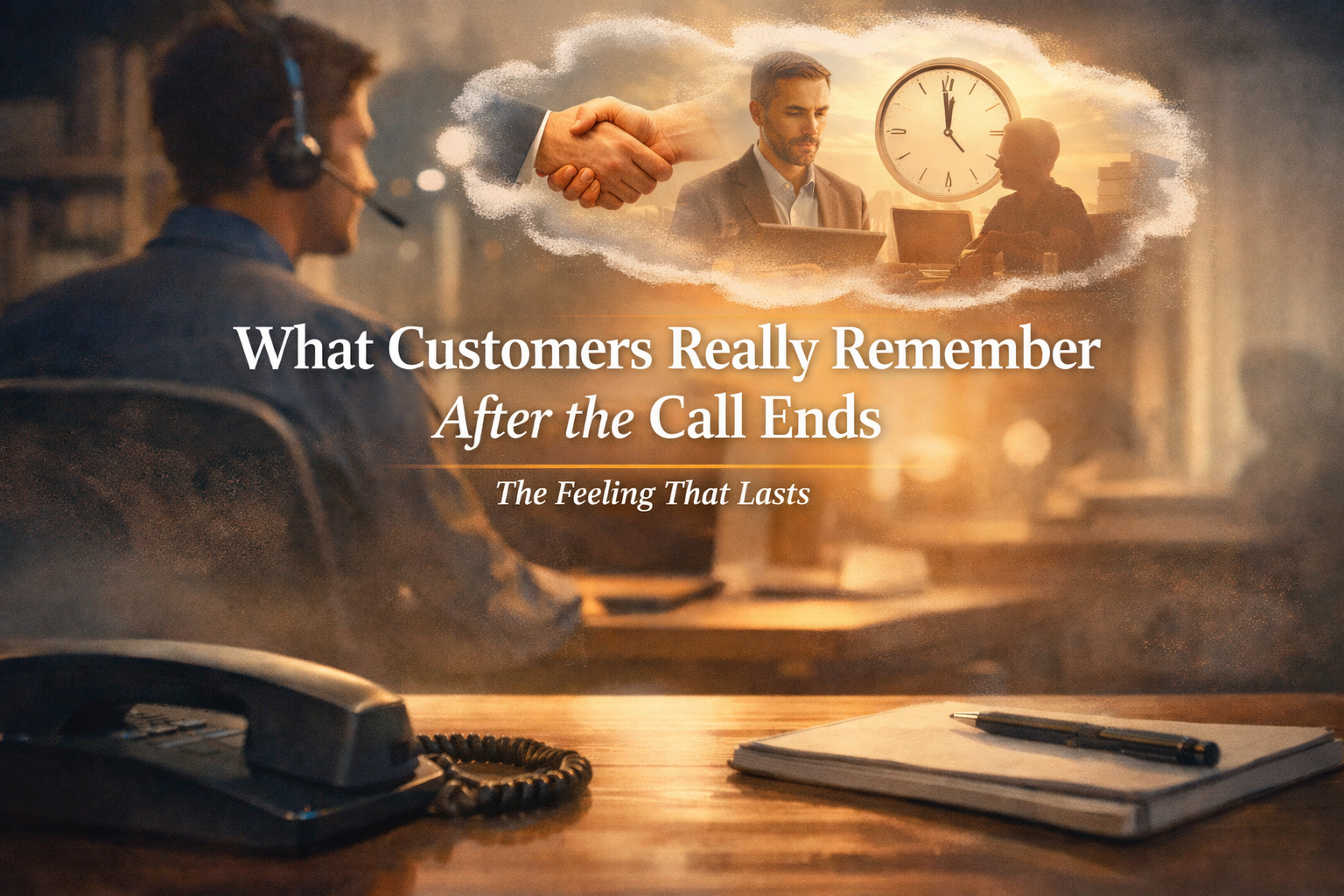
But over the years, I’ve learned something important: customers don’t remember how quickly a ticket was closed, but they remember how the conversation ended.
That realization is what led me to practice what I now call the 5-Minute Theory.
What the 5-Minute Theory Looks Like in Practice
The idea is simple. Once the main issue on a customer call is resolved or all planned discussions are done, I deliberately keep the call open for another five minutes.
During those final minutes, I usually ask a few open-ended questions:
- “Is there anything else you’d like to discuss today?”
- “Are there any other issues you’re seeing that you’d like to highlight or get guidance on?”
- “Before we wrap up, is there anything else I can help you with?”
These questions aren’t asked to extend the call unnecessarily or to open new tickets on the spot. They’re asked to slow things down, just enough to give the customer space.
A Real-World Example
I remember a call where we had resolved a production issue cleanly and quickly. Everything was technically done. Before ending the call, I asked one of my usual closing questions.
The customer hesitated, then said, “Actually, yes, but this isn’t urgent, but we’ve been unsure if we’re using this feature the right way.”
That conversation turned into a short, informal walkthrough. We didn’t fix anything immediately, but we shared a few documents, clarified best practices, and aligned on next steps.
That moment didn’t show up in any metric, but it strengthened the relationship far more than the original fix.
The Goal Is Assurance, Not Instant Solutions
This is an important distinction. The 5-Minute Theory is not about solving every problem in one call. Often, that’s neither realistic nor necessary.
The real goal is assurance:
- Assurance that the customer is heard
- Assurance that support doesn’t end at ticket closure
- Assurance that the partnership matters
Even when the answer is, “Let’s take this offline” or “We’ll follow up with the right team,” customers feel more confident when they know someone is paying attention.
When Time Allows, Add Extra Value
Sometimes, those five minutes turn into an opportunity to:
- Share a relevant document or guide
- Offer high-level direction or best practices
- Ask the customer what they plan to do next and whether that approach makes sense
None of this is scripted. It’s simply about being present and helpful in the moment.
The Long-Term Impact
What I’ve noticed over time is that this small habit changes the tone of the relationship.
Customers become more open. They raise concerns earlier. Feedback becomes more constructive. And dissatisfaction when it exists rarely comes as a surprise.
In fact, it’s uncommon to see negative feedback from customers who consistently experience this level of engagement. More often, you gain customers who actively support you and your team because they trust the intent behind the support.
Why Small Things Matter More Than We Think
Soft skills are often described as “nice to have,” but in reality, they are the glue that holds customer relationships together. Many times, it’s the smallest actions, the extra question, the unhurried ending, the willingness to listen that leave the strongest impression. What customers really want most of the time is someone who hears them, understands their frustration in those tense situations, and guides them toward a solution.
Five minutes doesn’t sound like much. But used intentionally, it can change how a customer feels long after the call ends.
Summary
The 5-Minute Theory isn’t about time management or process. It’s about mindset.
When customers feel that you genuinely care not just about fixing issues, but about their overall experience, they respond with trust. And in customer support, trust is often the most valuable outcome of all.
#CustomerExperience #SoftSkills #CustomerFirst #EmpathyAtWork #ServiceExcellence #SupportCulture #RealWorldExperience #GrowthMindset #SupportStories #CustomerCentricity
Reach out on LinkedIn for any questions or


Leave a Reply